
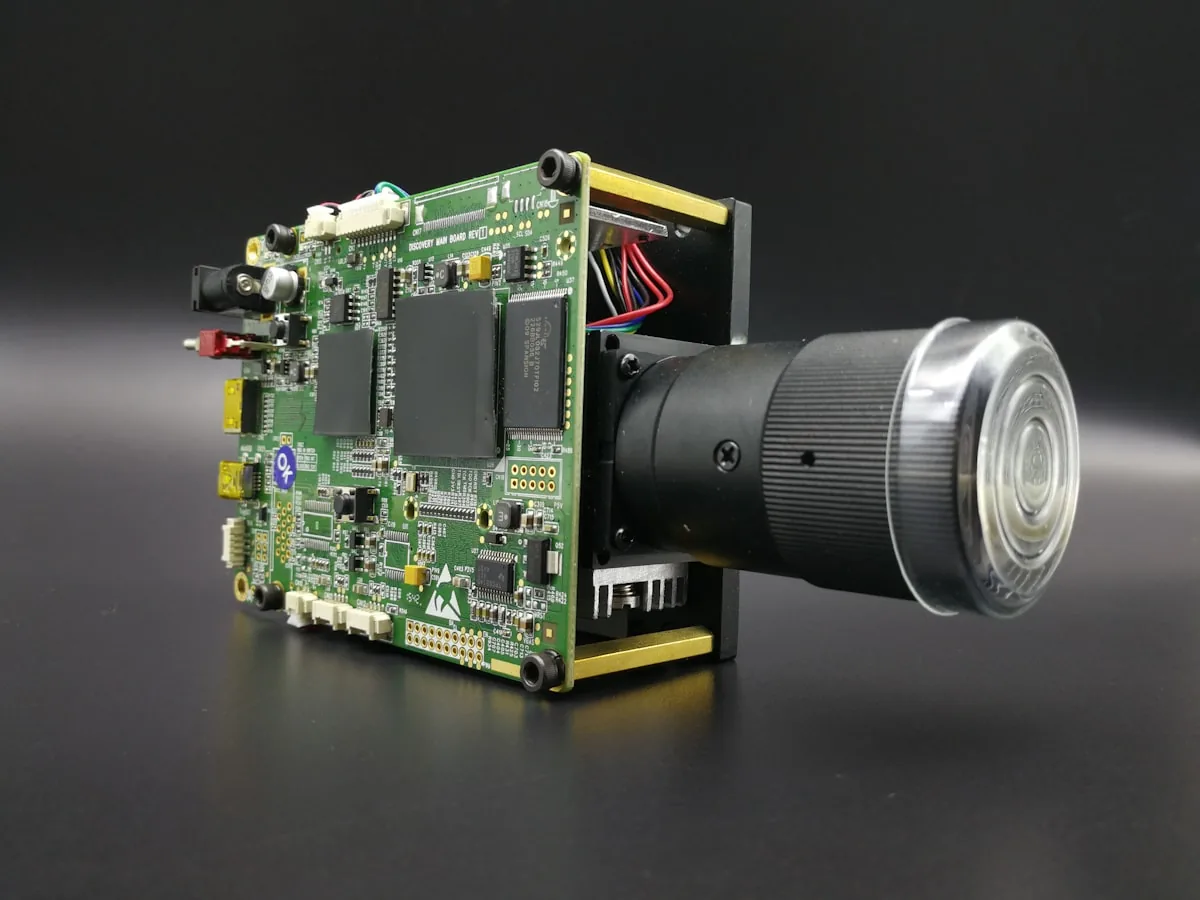
Computer vision — camera systems combined with AI models that can “see” and analyze images in real time — is one of the highest-impact technologies in manufacturing and food processing. From quality control in seafood canneries to parts inspection in industrial plants, its applications are concrete and its return well documented in the sector.
It’s also one of the technologies with the widest gap between marketing and reality. This article explains how it works, what it needs to work well, and where the challenges lie that sales pitches rarely mention.
What computer vision can detect
Today’s computer vision systems are genuinely impressive. In controlled industrial environments, they can detect:
Surface defects: cracks, stains, scratches, discoloration, and bubbles in materials. Accuracy can exceed human visual inspection for small defects or defects that are hard to spot under normal working conditions (line speed, variable lighting, inspector fatigue).
Geometric defects: out-of-tolerance dimensions, deformed parts, and missing or misplaced components. Stereo or 3D cameras can measure dimensions with micrometer precision.
Content defects: in the food industry, foreign objects, incorrect fill levels, wrong labels, and the presence or absence of components (caps, seals, labels). On cannery packaging lines, computer vision catches these defects at speeds no human inspector could match.
Quality grading: in fishing and food processing, sorting catches or raw materials by size, color, and visual condition. This application is especially relevant to canneries and the dairy industry.
The conditions that decide whether it works
Computer vision doesn’t perform the same in every environment. The conditions that matter most:
Lighting. Industrial lighting designed specifically for the vision system is as important as the camera. Lighting changes — from the sun’s position in a plant, aging lamps, or dust on the cameras — are the most common cause of performance degradation in existing systems. A well-designed system controls lighting independently of its surroundings.
Object position and movement. If the object isn’t always in the same position relative to the camera, the system needs to be more robust to changes in position and angle. Well-mechanized production lines make this easier.
Natural product variability. The food industry — anchovies, tuna, milk, cheese — works with biological raw materials that vary naturally. The model has to learn to tell acceptable natural variation from a real defect. That takes far more training examples than inspecting industrial parts with tight tolerances.
The most important factor nobody mentions: labeling
To train a computer vision system, you need thousands of labeled images — images where someone has marked whether the object is defective and where in the image the defect is.
This labeling work is what most companies underestimate. It’s labor-intensive, requires expert judgment (the people doing it have to know exactly what is and isn’t a defect), and it’s the project’s biggest investment of internal time. In some computer vision projects, data labeling takes more time than any other task.
The good news is that this is work only your own people can do well — it depends on their product knowledge. The bad news is that if you don’t plan for the time it takes from the start, it can become the project’s bottleneck.
Three industries where the impact is clear
Seafood canning — anchovies, tuna, canned shellfish — is a natural fit for computer vision. Largely manual production lines see wide variation in the quality of human inspection, and defects that reach consumers carry a high cost in brand reputation.
Heavy industry and metalworking use it for dimensional control and surface defect detection on parts. Required precision is high, and out-of-tolerance parts can be costly.
The dairy industry uses it for fill-level control, cap and label verification, and product sorting on high-speed lines.
Frequently asked questions
Can computer vision work on existing production lines, or does it require new machinery? In most cases, the vision system integrates into the existing line without new production machinery. What does get installed is the cameras, the lighting system, and the processing computer. Designing the physical integration is part of the project and requires an assessment of the existing line.
What happens when the system makes a mistake and rejects good product? That’s a “false positive”: the system flags something as defective when it isn’t. The sensitivity threshold is a design decision that balances false negatives (defects that slip through) against false positives (good product rejected). Your quality team sets this balance, and it can be adjusted in production based on experience.
Does the system need an internet connection to work? No. Industrial computer vision systems process images locally in real time. Inspection doesn’t require an internet connection. One can be used for remote monitoring or to send performance data to analytics systems, but it isn’t essential.